Crown Thinning in Newham: A Practical Local Service for Healthier, Safer Trees
If you are looking for crown thinning in Newham, you are probably trying to solve a real problem rather than simply tidy a tree for appearance. Perhaps the canopy is blocking light from a garden, making a home feel darker, or growing too dense above a driveway, footpath, or commercial yard. Maybe the branches are catching wind, rubbing together, or becoming heavy enough to cause concern near a property, boundary, or shared access route. Whatever the reason, crown thinning is a careful tree surgery process that can improve the tree’s structure, reduce clutter in the canopy, and make a site more manageable without stripping the tree back too far.
In a borough like Newham, where homes, schools, retail units, terrace gardens, estate roads, and mixed-use properties often sit close together, tree work needs to be done with care and planning. A well-executed crown thinning service can make a noticeable difference to light levels, airflow, and the overall appearance of a tree while respecting the tree’s natural shape. It is especially useful in densely built neighbourhoods where even one overgrown crown can affect several neighbouring properties.
This page explains what crown thinning involves, when it is appropriate, how it helps local property owners, and what to expect when arranging the work in Newham.
What Crown Thinning Means and Why It Is Used
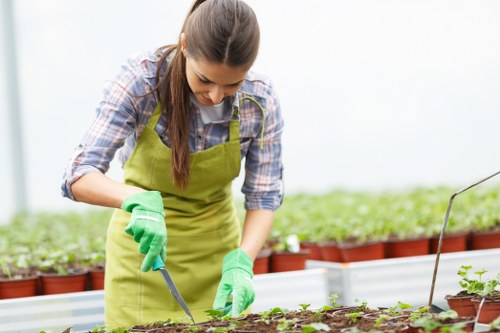
Crown thinning is the selective removal of smaller branches throughout the canopy of a tree. The goal is to reduce density while keeping the tree’s overall shape and size largely intact. Unlike heavy reduction or topping, thinning does not usually change the tree’s outline dramatically. Instead, it opens up the crown so that light and air can pass through more easily. That makes the tree less oppressive visually and can reduce some of the strain caused by wind.
For many local customers, the appeal of thinning is that it improves tree performance without making the tree look heavily cut back. This is especially valuable in front gardens, shared courtyards, and landscaped areas where the tree is part of the property’s character. A carefully thinned crown can look more balanced, healthier, and better suited to its surroundings.
It is also a sensible option where branches are becoming crowded or crossing inside the canopy. Dense growth can trap moisture, increase rubbing, and create weak points over time. By thinning selected branches, the tree can respond more naturally, with improved airflow and a reduced chance of internal damage during windy periods common across urban parts of east London.
Why Crown Thinning in Newham Is Often Requested

Newham has a wide mix of property styles and land uses, and that variety creates different tree care needs. A tree beside a terraced house in Plaistow may need more light to reach a rear garden. A canopy near a driveway in Forest Gate may need opening up so that vehicles can manoeuvre with greater ease. A tree outside a shopfront in Stratford, Canning Town, or East Ham may need the crown lifted and thinned so signage, pavements, and customer access remain clear and pleasant.
In urban settings, trees do not grow in isolation. They interact with fencing, outbuildings, satellite lines, pedestrian routes, parked cars, and nearby windows. This means tree owners often ask for work that balances appearance, safety, and practicality. Crown thinning is often chosen because it supports all three. It can help a tree cope with the demands of a tighter environment while still keeping an established, mature look.
Another common reason is neighbour consideration. When a canopy becomes very full, it may affect daylight, overhang a boundary, or shed a heavy amount of small debris onto adjoining spaces. A good thinning job can ease some of that pressure. While it will not solve every boundary issue, it can make the situation more manageable and reduce avoidable friction between nearby properties.
How the Service Works

A professional crown thinning job should start with an assessment of the tree and the site. This includes checking the species, the spread of the crown, the condition of major branches, and the practical constraints around the tree. In Newham, that often means looking at access routes, shared entrances, parked vehicles, narrow side passages, and ground surfaces that need protecting during the work.
Once the tree has been assessed, the team will decide how much of the canopy should be removed and from where. Good thinning is selective. It is not about cutting evenly all over the tree or removing large limbs without purpose. Instead, the work focuses on the smaller internal branches that contribute to density, congestion, and poor airflow. The aim is to create a more open structure while maintaining a natural balance.
The process may involve working from the ground where possible, or using climbing techniques and appropriate equipment when the tree’s size or position requires it. In some cases, access limitations in Newham streets mean careful planning is just as important as the cut itself. A skilled local team will consider where vehicles can be parked, where cut material can be safely moved, and how to complete the work with minimal disruption to the property and nearby residents.
Benefits of Crown Thinning for Local Homes and Businesses
More light: One of the most valued benefits is improved daylight. In tightly built areas, mature trees can create heavy shade over gardens, windows, courtyards, and workspaces. Thinning can let more natural light filter through without removing the tree entirely.
Better airflow: Opening the canopy allows air to move through the tree more freely. This can help reduce wind resistance and improve conditions within the crown. It may also lessen the damp, closed-in feeling that dense trees can create around a property.
A tidier appearance: Trees can look cleaner and more refined after a good thinning. The crown remains full and attractive, but less crowded. For front gardens, business premises, and communal spaces, this can make a noticeable difference to presentation.
Reduced rubbing and congestion: Dense inner growth often leads to branches competing for space. Selective removal can help prevent rubbing, crossing, and internal stress.
Support for long-term tree health: When carried out properly, thinning can help the tree use its energy more efficiently and reduce the risk of weak internal structure.
Practical improvement for daily use: For homes and commercial sites alike, a less congested canopy can make outdoor areas more pleasant and easier to use.
When Crown Thinning Is a Good Choice
Situations where thinning may be suitable
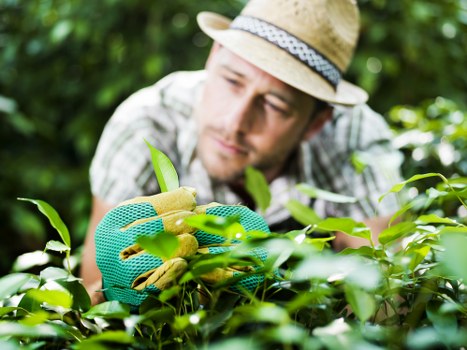
Crown thinning is not the right solution for every tree, but it is often a strong option when the tree is healthy enough to respond well and the issue is mainly canopy density rather than size alone. It is commonly requested when a tree has become too full after several seasons of growth, or when a mature specimen is beginning to shade too much of a garden or building.
It can also be helpful if the tree is located in an exposed spot and the crown catches a lot of wind. By reducing density, the tree may present less resistance while still keeping its structure. That said, every tree is different, and the best approach depends on species, age, condition, and the surrounding space.
In Newham, the service is often requested for trees in rear gardens, communal housing areas, school grounds, retail forecourts, sheltered side paths, and mixed residential-commercial sites. These are settings where users want the tree to stay in place, but need it to feel less intrusive and more manageable.
What crown thinning is not
It is important to distinguish thinning from more aggressive methods. Crown thinning does not mean removing major limbs indiscriminately, and it is not the same as severe reduction. A proper thinning job should respect the tree’s natural framework. If a tree is badly out of balance, structurally compromised, or simply too large for the site, another form of tree surgery may be more appropriate.
What Is Included in a Crown Thinning Visit?
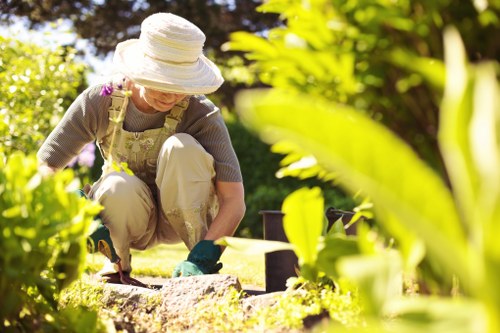
A typical visit may include an initial look at the tree, confirmation of the work required, and careful removal of selected branches from across the crown. The exact service will vary by tree and site, but a customer can usually expect the following elements to be considered:
- Inspection of the tree’s overall condition and shape
- Selective removal of branches to reduce crown density
- Attention to branch spacing and natural balance
- Care around nearby structures, fences, and planting
- Collection and removal of cut material where arranged
- General tidy-up of the work area on completion
For many customers, the best result is one that feels subtle rather than dramatic. The tree should still look like the same tree, only better proportioned and easier to live with. That is especially important in front gardens and prominent commercial settings where the tree contributes to the first impression of the property.
Important note: If the tree is protected, shared, or part of a managed site, additional checks may be needed before work starts. A local tree service can help you think through this before any cutting is carried out.
Why Choose a Local Newham Tree Team
Using a local team matters because Newham is not a one-size-fits-all environment. The streets around Stratford, East Ham, Plaistow, Forest Gate, Beckton, Canning Town, Silvertown, Manor Park, and Little Ilford each have their own access patterns, housing layouts, and parking pressures. A crew that regularly works in the borough is more likely to understand how to plan around restricted access, shared driveways, controlled parking zones, service roads, and busy pedestrian areas.
Local knowledge also helps when dealing with typical Newham property types. Many homes are close together, with narrow side access or limited rear entry. Some properties have mature trees planted long before the current layout of the area changed. Commercial premises may need work to be completed outside busy hours or in a way that keeps entrances clear. A local approach is useful because it is practical, not just technical.
Another benefit is responsiveness. If you are dealing with a tree that has started to feel too dense after a growth season, or you need to open up a canopy before a planned event, school term, or business opening, a nearby team can usually plan the visit with less friction than someone unfamiliar with the area. That convenience matters when time, access, and neighbour impact all need to be considered together.
Types of Properties We Commonly Help
Residential customers
Many private customers request crown thinning for trees in front gardens, back gardens, shared accesses, and side plots. In compact residential streets, even a moderately sized tree can have a strong effect on light and space. Thinning can make a garden feel more usable, help sunlight reach lawn and planting areas, and reduce the heavy, enclosed feeling that dense foliage can create.
Landlords and managing agents
Where trees are close to communal areas, pathways, bins stores, and parking spaces, crown thinning can form part of a sensible maintenance programme. It helps keep the site attractive while reducing common complaints about darkness, overhanging growth, and drifting debris.
Commercial premises
Shops, offices, hospitality venues, industrial units, and service yards may all benefit from a tidier canopy. Customers and staff appreciate a site that feels open and maintained. The work can also improve visibility and reduce the sense that branches are crowding entrances or windows.
Public-facing and shared spaces
Community centres, schools, healthcare premises, and managed housing estates often need trees to look presentable while staying practical. A properly thinned crown can support both safety and appearance in these high-use environments.
Access, Parking, and Site Challenges in Newham
One of the biggest differences between tree work in Newham and tree work in less built-up areas is the practical challenge of access. Roads may be narrow, parking may be limited, and some properties have only small openings to the rear. If the tree stands close to a boundary wall, an outbuilding, or a shared alley, the team needs to plan how to bring tools in and remove branches out without causing avoidable disruption.
Parking can also affect how the job is organised. In busy parts of the borough, it may be necessary to allow extra time for loading, unloading, and setting up safely. For commercial properties, coordination may be needed to avoid peak business periods. For residential streets, it is often better to work in a way that keeps pathways and driveways as open as possible.
Because crown thinning is selective rather than heavy structural removal, the work is usually well suited to properties where preserving the tree is important but the surrounding space is limited. A careful team will think about where branches will fall, where wood will be stacked temporarily, and how to protect lawns, patios, paving, and planted areas.
How to Prepare for Crown Thinning
A little preparation can make the visit smoother and help the team work efficiently. You do not need to do major site clearance, but a few simple steps can make a real difference.
- Move vehicles if the tree or access route is likely to be affected
- Keep garden furniture, ornaments, and fragile items away from the working area
- Ensure gates, side access paths, and shared entrances are unlocked if needed
- Let neighbours know if the tree overhangs or work may briefly affect shared access
- Check whether any pets or children should be kept away from the area during the visit
- Point out anything the team should be aware of, such as cables, sheds, or buried features near the base of the tree
If the tree is near a hard-to-reach part of the property, think in advance about access for waste removal. In some Newham homes, a tight rear access route or upstairs flat layout can make planning especially important. The more the team knows beforehand, the easier it is to complete the work neatly and safely.
Tip: If you are unsure whether crown thinning is the right option, ask for an assessment before booking. Sometimes a customer thinks a tree needs more dramatic cutting, when a carefully planned thin will solve the problem more naturally.
Pricing Factors to Expect
Exact prices are not usually fixed without looking at the tree and the site, because several factors influence the amount of work involved. Customers in Newham often want to understand why one tree may be simpler to deal with than another. The main factors usually include:
- Tree size and height
- Crown spread and density
- Species and growth habit
- How easy it is to access the tree
- Whether the site is residential, commercial, or shared
- How much waste needs to be removed
- Whether nearby structures require extra care
- Any additional considerations such as restricted space, overhead lines, or difficult parking
A smaller tree in a clear garden may take less time than a large, dense crown in a tight back yard with limited access. Similarly, a tree that can be worked on from open ground may be simpler than one requiring more complex climbing or sectional handling. This is why an accurate quote usually depends on a proper look at the site.
For many customers, the key point is value rather than the lowest possible price. A careful crown thinning service should leave the tree healthier-looking and the property easier to live with. The real benefit comes from the quality and appropriateness of the work.
What a Good Crown Thinning Result Looks Like
A well-executed thinning job should be noticeable without looking stark. The canopy should appear lighter and more open, but not patchy or uneven. The tree should still have a natural outline and enough foliage to support its normal function and appearance. Branches should be spaced more comfortably, internal crowding should be reduced, and the tree should feel less heavy against the building or garden around it.
You may also notice practical improvements fairly quickly. More daylight can reach the windows or seating area. Wind may pass through more easily. The tree may feel less dominant in the space. For some customers, this is enough to make the property feel more pleasant and usable again.
Good tree work should never feel overdone. The best result is often the one that seems balanced and unforced, especially for mature trees in established Newham streets where character matters as much as function.
Areas Covered Across Newham
Customers looking for crown thinning in Newham often need help across a wide range of neighbourhoods and property types. Local services are commonly requested in areas such as:
- Stratford
- East Ham
- Plaistow
- Forest Gate
- Manor Park
- Little Ilford
- Beckton
- Canning Town
- Custom House
- Silvertown
- West Ham
- North Woolwich
If you are nearby and unsure whether your property falls within the local service area, it is sensible to ask when requesting a quote. Being local is useful because it makes scheduling easier and helps ensure the work is planned around the realities of the area rather than a generic service route.
Whether your tree is in a compact garden, a communal courtyard, a forecourt, or an industrial or retail setting, the service can usually be tailored to fit the space and the level of access available.
Frequently Asked Questions
How often should a tree be crown thinned?
The timing depends on the tree species, growth rate, age, condition, and location. Some trees may benefit from periodic thinning as they mature, while others only need attention when density begins to cause a specific problem. The best interval should be based on the tree itself rather than a fixed schedule.
Will thinning harm the tree?
When done properly, crown thinning should not harm a healthy tree. In fact, it can support better structure and airflow. Problems usually arise when too much is removed, the wrong branches are cut, or the work is carried out without enough care for the tree’s natural form.
Is crown thinning suitable for trees near houses?
Yes, it is often chosen for trees close to homes because it can reduce canopy density without making the tree look cut down. This is useful where you want more light and a lighter feel around the property, but still want the tree to remain in place.
Can you thin a tree that overhangs a neighbour’s garden?
Yes, provided the work is planned correctly and any necessary permissions or access arrangements are in place. Overhanging branches are a common reason for enquiries in built-up parts of Newham, especially where gardens are close together.
Does crown thinning remove a lot of waste?
It can create a moderate amount of cut material, depending on the tree’s size and density. The denser the crown, the more waste there may be to remove. A local team can usually advise on this after assessing the tree.
Can commercial properties book this service?
Yes. Businesses often need tree work just as much as homeowners do. Crown thinning can improve appearance, maintain clear access, and make outdoor areas feel more professional for staff and visitors.
What to Ask Before You Book
When you are ready to arrange crown thinning, it helps to ask a few practical questions so you know the service suits your tree and your site. A reputable local team should be able to discuss the following clearly:
- Whether thinning is the right option for the tree’s condition and location
- How much of the crown is likely to be removed
- What access will be needed on the day
- How waste and branch material will be handled
- Whether any site-specific issues might affect the work
- How the result is expected to look and function afterwards
This is a good way to make sure the service matches what you actually need. If your main concern is reduced shade, the approach may be slightly different from a case where the priority is wind resistance or boundary clearance. A proper conversation before work begins can prevent disappointment and ensure the result feels worthwhile.
Request a free quote when you are ready, and ask for the work to be explained in practical terms. That way, you can make a confident decision based on your tree, your property, and your priorities.
Why Local Customers Value a Careful, Balanced Approach
Tree work in Newham is rarely just about the tree. It is about how the tree fits into daily life: where people walk, where cars park, where light enters the home, and how the property feels from the street or garden. That is why a balanced approach matters so much. Crown thinning should respect the tree while making life easier for the people living or working around it.
Some customers want more sunlight for a garden that never quite gets enough. Others want branches lifted away from a shop frontage, or a dense canopy reduced so it feels less heavy over a driveway. In each case, the benefit of a thoughtful service is that it solves a practical problem without creating a new one.
When tree work is done well, it becomes one of those improvements you notice every day without constantly thinking about it. The space simply feels better. The property is easier to enjoy. The tree remains part of the setting, only more manageable and better suited to its surroundings.
Book Crown Thinning in Newham
If your tree is becoming too dense, too shaded, or too dominant for the space around it, crown thinning in Newham may be the right solution. It is a practical service for homes, landlords, managing agents, and businesses that need their trees to look better and function better without losing their natural presence.
Whether you are dealing with a mature garden tree, a tree overhanging shared access, or a canopy affecting a commercial frontage, a local team can assess the situation and recommend a sensible way forward. The work should be planned carefully, carried out with respect for the tree, and adapted to the realities of Newham properties.
Contact us today to discuss your tree, ask questions, and arrange a visit. If you are ready to improve light, reduce density, and make your outdoor space easier to manage, book your service now and take the first step toward a cleaner, lighter canopy.
For the right tree in the right setting, crown thinning can be a simple and effective improvement that makes a lasting difference.