Tree pruning in Newham: local tree care for safer, tidier, healthier outdoor spaces
Professional tree pruning for homes and businesses across Newham
If you’re looking for tree pruning in Newham, you’re probably dealing with one of a few common situations: a tree is growing too close to your property, the canopy is blocking light, branches are brushing against roofs or fences, or the tree simply needs routine care to keep it healthy and manageable. In a busy borough like Newham, where gardens, frontages, streets, courtyards, and commercial spaces all sit close together, careful pruning is not just about appearance. It can make a real difference to safety, light, access, and the long-term condition of the tree.
Local properties in Newham vary a lot. You’ll find Victorian terraces, post-war homes, newer apartment developments, schools, shops, offices, managed estates, and shared outside areas that all have different tree care needs. A sensible pruning plan needs to take all of that into account. It should suit the species, the season, the tree’s health, and the way the space is used. That’s why working with a local team matters: the job can be approached with a better understanding of typical property layouts, limited access, parking restrictions, and the practical realities of working in places like Stratford, East Ham, Forest Gate, Plaistow, Beckton, Canning Town, Custom House, West Ham, and surrounding neighbourhoods.
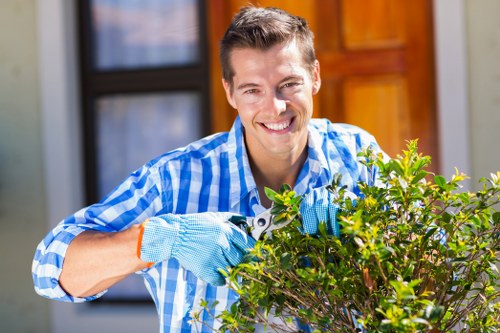
Whether you need a light tidy-up, crown reduction, thinning, deadwood removal, or a more careful formative prune, the aim is the same: to improve the tree without causing unnecessary stress. Done properly, pruning supports healthy regrowth, helps manage size, and reduces the chance of damage during windy weather. It also keeps gardens and outdoor areas more usable, which is especially valuable where every bit of space counts.
Why tree pruning matters in Newham
Tree pruning is often requested for immediate reasons, but the benefits go beyond a one-off tidy. In Newham, many customers want their trees managed because branches are shading rooms, touching a roofline, lifting gutters, encroaching on neighbouring boundaries, or affecting sightlines near driveways and entrances. In compact residential streets, an overgrown crown can make a garden feel smaller and darker than it needs to be. In commercial settings, unmaintained trees can interfere with signage, footpath clearance, loading access, and the tidy appearance people expect from a public-facing premises.
Proper pruning can also support tree health. Removing dead, damaged, diseased, or crossing branches helps the tree direct energy into stronger growth. Thinning can improve light penetration and air movement through the canopy, which may reduce stress in some situations. For younger trees, formative pruning helps establish a sound structure early on, limiting future problems and reducing the need for more drastic work later. For older trees, careful maintenance can preserve shape and stability while still keeping the tree appropriate for the site.
Good pruning is selective, not heavy-handed. The objective is never to strip a tree bare or create an unnatural outline. Instead, a trained tree surgeon will assess the species, growth habit, and condition before deciding what to remove and how much. This is particularly important in urban areas like Newham, where trees may already be dealing with compacted soil, restricted rooting areas, pollution, or past poor pruning. A thoughtful approach helps avoid unnecessary harm and supports the tree’s future.
Common pruning services we carry out
Different trees, different needs
Not every tree requires the same treatment. Some need a light trim, while others need more structured maintenance to bring them back into balance. The most suitable method depends on the tree species, age, condition, and location. In Newham, common requests include front garden trees, rear garden specimens, boundary trees shared with neighbours, and trees in communal areas where safety and access are important.
Here are some of the pruning services that local customers commonly ask for:
- Crown reduction to reduce overall height or spread while maintaining a natural shape.
- Crown thinning to reduce density and allow more light and airflow through the canopy.
- Crown lifting to raise lower branches for better access, clearance, and visibility.
- Deadwood removal to take out dead or unstable branches that may fall unexpectedly.
- Formative pruning for younger trees to encourage strong structure and better future growth.
- Selective pruning to remove unwanted branches affecting buildings, paths, or neighbouring spaces.
- Ornamental tree trimming where appearance, balance, and tidy presentation are important.
Each of these methods serves a different purpose. For example, crown reduction may be ideal where a tree has outgrown a small garden or is close to a building, while crown thinning may be better if the priority is to let more light into a shaded room or lawn. The best approach depends on what the tree needs, not just what looks quickest.
It’s also worth noting that pruning should be timed carefully. Some trees respond better at particular times of year, and some species are best left alone during certain seasons. A local professional can advise on the right timing based on the tree type, the current condition, and the work you want done.
How the service works
What to expect from an organised local team
When customers enquire about tree pruning in Newham, they usually want a service that is clear, tidy, and efficient from the start. A well-run job should begin with a proper assessment of the tree and the surrounding area. That assessment may include checking how close the branches are to structures, whether there are overhead cables nearby, how accessible the site is, and whether the work will affect neighbouring properties, footpaths, or parked vehicles.
Once the tree has been assessed, the pruning plan is agreed. This should cover which branches are to be removed, the likely finish, and any important precautions. If access is tight, equipment may need to be carried through a side passage, alley, rear entrance, or shared walkway. In many parts of Newham, parking can also be challenging, so practical planning helps keep disruption to a minimum. For commercial premises, work may need to be timed to avoid busy trading periods or customer access times.
The pruning itself should be carried out with appropriate tools and care, making clean cuts to support healthy healing. Depending on the scale of the job, debris is then cleared, branches are removed from site, and the area is left neat and usable. A good local service should respect the property as much as the tree. That means careful handling of lawns, paving, fences, planting beds, and neighbouring boundaries, along with a tidy finish once the work is complete.
Typical stages of a pruning visit
- Initial tree inspection and discussion of your priorities.
- Assessment of access, safety, and any nearby obstructions.
- Agreement on the pruning method and scope of work.
- Careful pruning using appropriate arboricultural practices.
- Clearing, loading, and removal of the cut material.
- Final check to make sure the tree and site are left in good condition.
Why local knowledge matters in Newham

Choosing a local service for tree pruning in Newham can save time and make the whole process smoother. A team that works regularly in the borough is more likely to understand the practical issues that affect the job, from access constraints on narrow residential streets to busy roads, controlled parking zones, shared drives, and the realities of working in estates or mixed-use developments. That matters because even a straightforward prune can become complicated if the team is not prepared for the site conditions.
Local knowledge also helps with tree selection and environment. Newham contains a mix of small enclosed gardens, street-facing frontages, communal lawns, school grounds, commercial courtyards, and landscaped public spaces. Trees in these places often need pruning for different reasons. A tree in a back garden may be blocking sunlight from a kitchen or conservatory. A tree near a shop front may be reducing visibility or dropping debris where customers walk. A tree in a communal area may need periodic maintenance to keep pathways clear and tidy. Understanding the setting is just as important as understanding the tree.
Working locally can also make communication easier. If you need pruning carried out at a time that suits residents, tenants, business hours, or property managers, a nearby team is usually better placed to arrange the work efficiently. That kind of flexibility is useful in Newham, where different streets and developments can have very different access arrangements and expectations.
What is included in a tree pruning service?
Customers often want to know what they are paying for, and rightly so. Tree pruning should be a clear, practical service with defined outcomes. While every job is different, a professional local service usually includes the following elements:
- Assessment of the tree’s condition and growth pattern.
- Advice on the most suitable pruning method for the site.
- Careful removal of selected branches.
- Attention to nearby buildings, fences, utilities, and planting.
- Clearing and removal of arisings from the site.
- A tidy finish that leaves the tree and surrounding area in better shape.
Some jobs also require additional care. For example, if the tree is near a boundary, work may need to be planned to avoid disputes with neighbours. If the tree is close to a road or footpath, the team may need to manage dropped material carefully and ensure safe working practices throughout. In commercial locations, the work may have to be phased to reduce disruption to staff, visitors, or customers.
For many people, the most valuable part of the service is not just the cut itself, but the reassurance that the tree has been assessed properly. That means no guesswork, no unnecessary removal, and no rushed approach that could leave the tree poorly balanced or less healthy than before.
Useful additions that may be discussed during the visit
- Advice on future maintenance intervals.
- Suggestions for ongoing shape management.
- Recommendations for trees showing signs of stress or damage.
- Guidance where a tree may be affecting light, access, or property use.
Preparing for tree pruning at your property
Simple steps that help the job run smoothly
If you’re arranging tree pruning in Newham, a little preparation can make the visit easier and more efficient. You do not need to do anything complicated, but clearing access and sharing relevant information in advance can help the team work safely and neatly. This is especially useful in tighter streets, shared gardens, or properties with limited rear access.
Before the work begins, consider the following preparation checklist:
- Move cars, bikes, bins, garden furniture, and other obstacles if possible.
- Keep access gates, side passages, and rear entries unlocked or easy to open.
- Let neighbours know if branches may need to be reached over a boundary.
- Point out any fragile features such as greenhouse panels, sheds, solar equipment, or decorative planting.
- Highlight any known issues, such as a weak branch, previous storm damage, or restricted access points.
- Ensure someone can explain your priorities clearly if you are not present for the whole visit.
For commercial customers, it can also help to let staff know when the work is due to take place. If there are specific hours when customer access must be maintained, or if deliveries need to be kept clear, make that part of the planning. The more information the team has, the easier it is to complete the pruning with minimal disruption.
Good preparation does not replace expertise, but it does help the work go more smoothly and can reduce the risk of delays.
Pricing factors for tree pruning in Newham
Every tree pruning job is different, so it is best to think in terms of quotation factors rather than fixed prices. The final cost usually depends on a combination of practical details. Customers in Newham often find this helpful because it explains why one tree may be straightforward while another needs more time, equipment, and planning.
Common pricing factors include:
- Tree size and height: larger trees generally take longer and may require more equipment.
- Species and structure: some trees are more delicate or more complex to prune than others.
- Type of pruning required: a light trim, crown lifting, or major reduction all involve different levels of work.
- Access: rear garden access, narrow side passages, or limited parking can affect the job setup.
- Waste removal: the amount of cut material and the method of clearing it.
- Site sensitivity: nearby buildings, boundaries, public areas, and fragile landscape features may require extra care.
- Urgency and scheduling: planned maintenance and reactive work may be handled differently.
It’s sensible to request a free quote or estimate based on your specific tree and location. That allows the service provider to understand the scope of work and explain what is included. If you’re comparing options, make sure you are looking at more than just the headline figure. A careful, well-managed pruning job can be better value than a rushed visit that leaves the tree in poor shape or the site untidy.
Ask what the quotation covers so you know whether debris removal, cleanup, and any access challenges are included. Clear communication at the start often prevents confusion later.
Residential tree pruning across Newham
Keeping gardens manageable, brighter, and safer
For homeowners, pruning often starts with a practical concern. A tree may be casting too much shade, shedding leaves onto patios or gutters, or growing close to windows and boundary lines. In a smaller Newham garden, a well-pruned tree can make a huge difference to how usable the outdoor space feels. More light, better clearance, and a cleaner outline can transform a cramped corner into a more pleasant and manageable part of the property.
Residential customers also commonly ask for pruning after storms or strong winds, when broken or unstable branches become more obvious. In other cases, the tree may have simply become too large for the plot over time. Even when the tree is healthy, keeping it in scale with the garden can improve day-to-day comfort and reduce complaints from neighbours.
There is also a strong visual benefit. A thoughtfully pruned tree often looks more balanced and cared for than one that has been left to grow unchecked. That can improve kerb appeal, especially where front gardens or visible side spaces form part of the property’s first impression. If you are preparing a home for sale, welcoming guests, or simply making the place more pleasant to live in, tree pruning can be a sensible investment in the outdoor environment.
Some residential jobs also involve coordination with neighbours, especially where branches cross property lines or hang over shared fences. In these situations, a considerate local team can help keep the process practical and respectful, which is important in closely spaced streets and terraces throughout Newham.
Commercial and managed property tree pruning
Practical maintenance for visible, busy sites
Tree pruning in Newham is not only for private gardens. Businesses, landlords, housing managers, schools, and site operators often need trees kept in order for safety and presentation. A tree overhanging a car park, a shop frontage, a communal entrance, or a pedestrian route can quickly become a nuisance if it is not maintained. Leaves, low branches, blocked visibility, and encroachment on access routes can all affect how a site functions.
Commercial customers usually need work completed with a focus on efficiency and minimal disruption. That may mean planning around opening hours, peak footfall, deliveries, or resident movement. It may also mean working within a site with shared responsibility, where approvals or coordination with building managers are required. A local team that understands these realities can make the process much easier to handle.
For managed properties, pruning can also support ongoing maintenance planning. Instead of waiting until a tree becomes a problem, routine care can keep growth under control and reduce the chance of more disruptive work later. This is especially valuable in developments and communal settings where multiple users share the same outdoor space and expectations around safety and appearance are high.
Well-timed pruning helps protect access, maintain a professional look, and reduce avoidable issues. It is a simple measure that can have a noticeable impact on how the property is used and perceived.
Choosing the right pruning approach
Not every tree should be cut back in the same way
One of the most important parts of tree pruning is deciding what kind of work the tree actually needs. Some trees only require selective branch removal. Others may benefit from crown thinning to reduce density. A few need reduction work because they have outgrown the available space. The wrong method, or the wrong amount of pruning, can leave a tree looking unbalanced or put unnecessary stress on it.
That is why an experienced approach matters. A good tree surgeon will look at the tree as a whole and consider the likely response after pruning. Species-specific growth patterns, the current shape, previous work, and the site conditions all play a part. In some cases, a lighter touch is best. In others, a structured reduction is justified because the tree is too close to a building or has become unsuitable for the space.
It is also important to be realistic about the outcome. Pruning can improve a tree’s shape and manage its size, but it is not a cure for every issue. If the tree is significantly unhealthy, has major structural defects, or is growing in a very restricted location, pruning may need to be combined with further advice about long-term management. A responsible service should explain that clearly.
Questions worth asking before work starts
- What exactly will be removed?
- How will this affect the tree’s shape and future growth?
- Is this the best time of year for the species involved?
- Will the work help with light, access, or safety concerns?
- What happens to the branches and waste once the job is finished?
Areas covered for tree pruning in and around Newham
Customers often need help across the whole borough and nearby parts of East London. Tree pruning services are commonly requested in areas such as:
- Stratford
- East Ham
- West Ham
- Plaistow
- Forest Gate
- Canning Town
- Custom House
- Beckton
- Upton Park
- Manor Park
- Silvertown
- and surrounding parts of Newham
Different neighbourhoods bring different property types and access considerations. A terrace in Forest Gate may have a narrow side passage and a small rear garden. An apartment development in Stratford may have shared grounds and loading restrictions. A commercial unit in Canning Town may need work scheduled around access and deliveries. A family home in East Ham may need a tree lifted away from a roofline or reduced to improve light into the garden. The advantage of a local service is that these differences are understood before the job begins.
If you are not sure whether your property falls within the normal service area, it is still worth making an enquiry and describing the tree, the location, and the access. That is often the fastest way to find out whether the work can be arranged.
FAQs about tree pruning in Newham
Common questions from local customers
How often should a tree be pruned?
It depends on the species, age, and location of the tree. Some trees need occasional light maintenance, while others can go longer between visits. Trees in tight urban spaces often need more regular attention than trees in open ground.
Will pruning damage my tree?
When done correctly, pruning should support the tree rather than damage it. Over-pruning or poor cuts can create problems, which is why a careful and selective approach is important.
Can pruning help with too much shade?
Yes, in many cases. Crown thinning or selective pruning can improve light levels, though the best method depends on the tree and the amount of shade involved.
Do I need permission for tree work?
Some trees may be protected, or the property may be in a conservation area. It is always sensible to check before arranging work if you think restrictions may apply.
What if branches are over my neighbour’s side?
Boundary situations are common in Newham. The right approach depends on ownership, access, and the tree’s position. It is best to handle shared-boundary trees carefully and respectfully.
Can you prune trees near buildings?
Yes, but this needs to be assessed properly. Trees near houses, garages, extensions, walls, and outbuildings may require more precise work and extra care during access and cleanup.
Do you remove all the waste?
That should be part of the service arrangement. Many customers want the branches cleared from site so the space is left tidy and ready to use.
Book tree pruning in Newham with a local team
If your tree is becoming too large, blocking light, hanging over a boundary, or simply needs expert care, now is a good time to arrange a professional visit. Tree pruning in Newham is most effective when it is planned around the tree’s needs and the realities of the site. A local team can help you decide whether the right solution is a light trim, crown reduction, deadwood removal, or another form of maintenance.
For homeowners, landlords, property managers, and businesses, the benefits are immediate: better access, improved appearance, safer surroundings, and healthier trees that are easier to live and work with. Whether the issue is a single garden tree or a group of trees in a managed setting, proper pruning can make a meaningful difference.
Contact us today to request a free quote, discuss your tree, and book your service now. If you want the work handled with care, local knowledge, and a tidy finish, an experienced Newham tree pruning service is the sensible place to start.