Hedge Cutting in Newham
If you are looking for hedge cutting in Newham, you probably want more than a quick trim. You want tidy boundaries, healthier growth, better light in the garden, and a finish that makes your home or business look cared for. Whether your hedge has become too tall for safe handling, is starting to encroach on a path, or simply needs shaping after a long growing season, a local hedge cutting service can make a noticeable difference.
Newham has a mix of homes, commercial premises, shared gardens, and street-facing plots, and that variety matters when it comes to hedge care. A terrace in Stratford may need careful access and tidy waste removal. A driveway boundary in East Ham may need more regular shaping to keep sightlines clear. A larger front hedge in Forest Gate or Manor Park may need selective cutting to keep its form while encouraging healthy regrowth. Professional hedge trimming is not just about appearance; it is about keeping outdoor spaces manageable, safe, and pleasant to use.
Local customers often want a service that fits around busy routines and practical access issues. In Newham, that can mean work around parked cars, narrow side entrances, shared access routes, and mixed residential-commercial settings. A good local team understands those realities and can plan hedge maintenance in a way that is efficient, respectful, and suited to the property type.
Why hedge maintenance matters for Newham properties
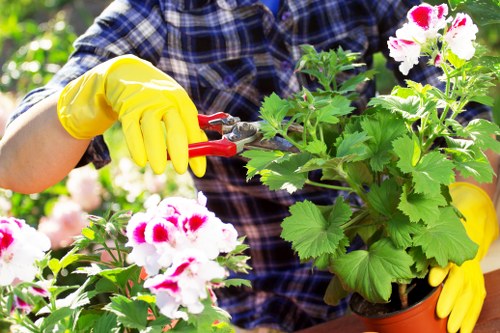
Hedges do a lot of work in a garden. They provide privacy, soften fencing, reduce street noise, frame entrances, and create structure in outdoor spaces. But once a hedge grows unchecked, it can quickly start creating problems. Light can be blocked from windows and patios, paths can become narrow, and the hedge itself can lose shape or become uneven. Regular hedge maintenance helps avoid that build-up.
In Newham, where properties can be close together, a hedge that grows too wide or too high can affect neighbours and public spaces. Overgrown boundary planting may overhang pavements, block sightlines near a driveway, or make a small garden feel even smaller. A carefully managed cut can restore order without stripping the hedge back too hard. That balance is important, especially for established hedges that need the right seasonal treatment.
Good hedge care also supports plant health. Cutting at the right time with the right approach encourages denser growth where needed, helps shape young hedges properly, and prevents the outer growth from becoming too woody and difficult to manage later. For customers who value a neat finish and a healthy garden, consistent hedge trimming is a practical investment.
Common reasons people book hedge cutting
People arrange hedge cutting services for many reasons, and often it is a mix of appearance and practicality. Common motivations include:
- Restoring a hedge that has grown too tall or wide
- Improving the look of a front garden or boundary line
- Keeping a hedge from shading lawns, borders, or windows
- Maintaining privacy without losing control of size
- Clearing overgrowth around gates, footpaths, or driveways
- Preparing a property for sale, letting, or a special event
- Keeping commercial entrances tidy and welcoming
For many Newham residents, the key priority is simply having the job done properly, with minimal disruption and a neat finish that lasts. That is where a local service can be especially useful.
Hedge cutting services tailored to Newham

Hedge cutting in Newham is rarely one-size-fits-all. Different hedges have different growth habits, and different properties have different constraints. A small decorative hedge in a terraced front garden needs a different approach from a tall screening hedge along a shared boundary or a commercial frontage that needs crisp lines and regular upkeep.
A practical local service usually includes trimming, shaping, reduction where appropriate, and tidy removal of waste. The aim is to leave the hedge looking balanced and the site left clean. In many cases, the work also includes checking for uneven sections, light penetration issues, and places where the hedge may be becoming too dense or leggy. Careful cutting helps preserve the hedge’s structure while improving its appearance.
Many hedges in Newham are found on compact plots, in narrow rear gardens, or alongside busy streets. That means equipment choice, waste handling, and access planning all matter. A local team that works regularly in the borough is more likely to understand how to complete the job with less disruption to neighbours, pedestrians, customers, or residents.
Types of hedge work commonly requested
Customers often ask for a mix of services depending on the condition of the hedge and the time of year. These can include:
- Routine hedge trimming to maintain shape and control growth
- Height reduction for hedges that have outgrown their space
- Width reduction to reclaim paths, patios, or driveways
- Formal shaping for front gardens and business premises
- Boundary clearance where hedges are affecting access or visibility
- One-off tidy-ups after a long period of neglect
- Ongoing seasonal maintenance for consistent results
Some hedges respond well to a light and frequent trim, while others need a more considered approach. A thoughtful cutting plan avoids unnecessary stress on the plant and keeps the hedge looking natural rather than overworked.
What a tidy finish should look like
A well-cut hedge should have clean lines, an even profile, and no obvious patchiness from rushed work. The ground around it should be left tidy, with clippings removed and access routes left usable. If the hedge sits near a pavement or shared boundary, it should be trimmed so that it does not obstruct passers-by or create unnecessary hazards. That standard is important for homes, landlords, and business owners alike.
How the service works

Booking hedge cutting should feel straightforward. For most Newham customers, the process starts with discussing the hedge size, location, access, and what kind of finish is wanted. That first conversation helps identify whether the job is a simple trim, a shape correction, or a more involved reduction. It also helps flag access issues such as rear-garden entry, limited parking, or the need to work around shared spaces.
On the day, the work is usually carried out in a planned sequence: preparation, cutting, shaping, clearing, and a final check. If the hedge is very overgrown, the approach may involve working in stages rather than taking too much at once. This is particularly important for older hedges, boundary hedges, and species that do not respond well to harsh cutting. Professional hedge trimming aims to improve the hedge without causing avoidable damage.
Once the cutting is complete, the area should be cleared of clippings and left neat. For customers in busy streets or tight-access homes, this is more than a courtesy; it saves time and prevents the work from becoming a bigger disruption than necessary. If a hedge creates heavy waste, it is helpful to know in advance that a proper clearance plan is in place.
Typical steps in a hedge cutting visit
- Review the hedge type, size, and condition
- Check access, parking, and any nearby obstacles
- Agree the intended finish and any areas to protect
- Carry out the cutting and shaping work
- Collect and remove green waste where included
- Inspect the finish and tidy the surrounding area
For many customers, the biggest reassurance is knowing the job will be completed efficiently and with attention to detail, rather than leaving a hedge half-finished or a garden full of debris.
When a hedge needs more than a trim
Sometimes a hedge has been left for so long that it no longer needs simple maintenance. It may need rebalancing, selective reduction, or a staged restoration over more than one visit. This is common where hedges have been allowed to grow above fence lines, lean into a neighbour’s space, or become bare near the base. In those cases, patience and the right cutting method matter more than speed.
Local property types and practical access in Newham

Newham has a wide mix of property styles, and that variety influences how hedge cutting is planned and carried out. Terraced houses often have front hedges that sit close to the pavement and require careful trimming to keep them neat without obstructing access. Semi-detached homes may have side boundaries where space is limited and tools must be moved through narrow routes. Flats with communal gardens may need work to be scheduled considerately around residents and shared use areas.
Commercial properties in areas such as Stratford, Canning Town, East Ham, and Plaistow may need regular hedge maintenance around car parks, entrance routes, retail frontages, or office landscaping. In those settings, presentation matters. A well-kept hedge can make an entrance look orderly and professional, while an overgrown one can make the whole site feel neglected.
Access and parking are practical issues across the borough. On-street parking can be tight. Rear garden access may be through the house or a shared passage. Some properties have gated boundaries, narrow alleys, or limited space for equipment setup. A local team familiar with Newham is more likely to plan around those constraints without wasting time or causing unnecessary disturbance.
Areas across Newham where hedge cutting is often requested
- Stratford
- East Ham
- Forest Gate
- Plaistow
- Canning Town
- Manor Park
- Upton Park
- West Ham
- Custom House
- Beckton
That local reach is helpful because hedge care is often needed where properties sit close together, where gardens are compact, or where boundary planting has to be managed with neighbours and public spaces in mind. A team used to these conditions can work more smoothly and leave a cleaner result.
What is included in hedge cutting

When customers ask what is included in hedge cutting, they usually want clarity on the scope of the visit and the end result. A well-run service should be clear about what will be done and what the finished area will look like. In many cases, the service includes cutting, shaping, debris collection, and leaving the site tidy. Depending on the hedge and the agreement, it may also involve light reductions or work on multiple sides of the hedge.
It is also sensible to ask about how the hedge will be approached. For example, if the hedge is tall, will it be reduced gradually? If it is dense, will the cut allow better light and airflow? If it borders a path, will the overhang be fully cleared? These practical details matter because they affect both appearance and use of the space.
A proper hedge service should focus on the whole job, not just the visible cut. That means protecting nearby plants where possible, managing clippings so they do not spread through the garden, and leaving the area ready for everyday use. For business owners, it also means reducing disruption to customers, staff, and foot traffic.
Service features many customers value
- Clear discussion of the hedge’s condition before work starts
- Attention to shape, balance, and height
- Care around fences, gates, windows, and borders
- Removal of clippings and green waste where arranged
- Respectful work in homes, communal areas, and business settings
- Practical advice on ongoing maintenance intervals
Hedge trimming in Newham should feel like a complete service rather than a quick clip. Customers generally want the space returned in better condition, not just the hedge itself.
Useful extras to consider
Some properties benefit from related work at the same time, such as clearing brambles, tidying shrub borders, or reshaping adjacent planting. Combining tasks can be more convenient, especially where access is already being arranged or where a hedge has become part of a larger overgrowth issue. If that applies to your property, it is worth discussing before booking.
Why choose a local company for hedge cutting in Newham
Choosing a local company for hedge cutting in Newham often brings practical advantages. A local team is more likely to understand how different neighbourhoods work, from residential side streets to busier commercial roads. They are also more likely to know what kind of access issues arise in older terraces, newer developments, and mixed-use areas.
Local knowledge can make a real difference on the day. If parking is tight, the team can plan accordingly. If the hedge faces a busy pavement, they can take care to manage clippings and avoid unnecessary obstruction. If the property sits in a shared access area, they can work respectfully and keep disruption to a minimum. Those may seem like small things, but they add up to a smoother experience for the customer.
There is also the benefit of regularity. Many customers prefer to set up periodic hedge maintenance so the garden never gets too far out of hand. A local company can often help maintain that rhythm, whether the hedge needs a couple of visits each year or a more seasonal approach depending on growth rate and species.
Benefits customers often look for
- Local familiarity with Newham property layouts
- Practical planning for access and parking
- A neater, safer outdoor space
- Less strain on the customer compared with DIY cutting
- Better long-term hedge shape and condition
- Cleaner results for both homes and businesses
For landlords and letting agents, hedge care can also support property presentation between tenancies or during routine exterior maintenance. For shops, offices, and hospitality premises, it can help create a welcoming first impression that starts before anyone reaches the door.
Pricing factors for hedge cutting
Customers often want to know what affects the cost of hedge trimming before they request a quote. While exact prices depend on the property and the hedge, the main factors are usually straightforward. The height and length of the hedge matter, as does its density. A hedge that is overgrown or uneven will take longer to shape than one that is already maintained regularly.
Access is another major factor. If the hedge can only be reached through the house, along a narrow passage, or via a shared rear access point, the setup and clearance will take more time. Waste volume also influences the job because dense hedges can produce a substantial amount of clippings. If additional work is needed, such as reduction, major reshaping, or clearance around the hedge base, that will also affect the overall scope.
Season and frequency can matter too. A hedge that is trimmed regularly is usually easier to maintain than one left for a long period. Many customers find that routine maintenance is more manageable than waiting until the hedge becomes a problem. That can also help preserve shape and reduce the need for heavier cutting later.
Questions that help shape an accurate quote
- How tall and long is the hedge?
- Is the hedge front-facing, boundary, or screening the garden?
- Has it been maintained regularly or left to overgrow?
- Is there easy access for tools and waste removal?
- Does the hedge border a pavement, driveway, or shared area?
- Are there multiple hedges or other shrubs to be done at the same time?
Clear information at the start helps avoid misunderstandings and means the job can be planned properly. If you are ready to compare options, request a free quote and explain the hedge size, access, and desired finish as clearly as you can.
Preparing for hedge cutting day
There are a few simple steps customers can take before the hedge cutting team arrives. These do not need much effort, but they can make the work quicker and smoother. If possible, clear away garden furniture, plant pots, toys, or other items near the hedge. Make sure gates are unlocked, and let the team know about any tricky access points or fragile planting nearby.
If your hedge sits close to parked vehicles, it can help to move them in advance. That gives better access and reduces the chance of accidental obstruction during the work. If there are pets in the garden, it is usually best to keep them safely indoors while the cutting takes place. The same applies to children’s play items and anything that could be damaged by falling clippings.
For business properties, it can be helpful to plan hedge cutting for a quieter period of the day if possible. That way, entrances remain usable and disruption is kept low. A bit of preparation makes the visit easier and helps the final result look even better.
Preparation checklist
- Move cars if the hedge borders a driveway or parking area
- Clear access to gates and side passages
- Put away fragile items, ornaments, and outdoor furniture
- Keep pets and children safely away from the work area
- Point out any low walls, cables, lights, or obstacles
- Tell the team if the hedge has any specific concerns or problem spots
Book your service now if you want the hedge handled before it gets more difficult to manage. A small amount of preparation can help everything run more smoothly on the day.
Hedge care through the seasons
Hedges grow at different rates depending on species, weather, and location. In a built-up area like Newham, sheltered gardens and road-facing boundaries can sometimes grow differently from one another. That means the ideal maintenance pattern may vary from property to property. Some hedges need frequent light trims to stay crisp and tidy. Others only need occasional shaping and selective reduction.
It is often better to follow the hedge’s needs rather than work to a fixed habit without checking growth. Regular attention keeps the hedge easier to manage, while heavy neglect can lead to large corrective jobs. If the hedge is part of a frontage, it may also need attention more often because it influences the appearance of the whole property.
Customers who value order and curb appeal often choose to set up seasonal hedge care so the hedge is kept within bounds before it becomes a bigger task. That can be especially useful where the hedge faces a public route, frames an entrance, or contributes to the first impression of a home or business.
When to think about a seasonal trim
- After a strong burst of spring growth
- Before a property is being marketed or let
- When a hedge begins to block light or views
- When the shape starts to soften or become uneven
- Before late-season weather makes outdoor work more difficult
Timely hedge maintenance often saves effort later and keeps the garden looking consistently cared for.
Residential and commercial hedge cutting
Residential hedge cutting is usually about privacy, light, and garden usability. Homeowners want hedges that look good from the street and from inside the garden. They also want to avoid overgrowth creeping into neighbouring spaces or making basic tasks like mowing, weeding, and cleaning the patio harder than they should be.
Commercial hedge cutting has a different emphasis. It often centres on presentation, access, and safety. A hedge around a business entrance, car park, or shared outdoor area needs to look smart and stay out of the way of people moving through the space. In those settings, consistency matters, because a poorly maintained hedge can affect how customers and visitors perceive the whole property.
For both home and business customers, the value of a local hedge service lies in making the outdoor area easier to use and better to look at. A neat hedge can help a property feel finished and cared for, while an overgrown one can make the whole place feel neglected. The difference is often more noticeable than people expect.
Frequently asked questions
How often should a hedge be cut?
That depends on the type of hedge, how quickly it grows, and the look you want to maintain. Fast-growing hedges may need attention more often, while slower-growing varieties can usually be trimmed less frequently. For many properties in Newham, a seasonal maintenance pattern works well.
Can a very overgrown hedge be cut back?
Yes, but it should be approached carefully. Some hedges can be reduced in stages, while others need a more measured cut to avoid damage. The right method depends on the hedge species, age, and condition. A professional approach helps avoid taking too much away at once.
Will the hedge waste be removed?
That depends on the service arrangement, but waste removal is often part of a full hedge cutting visit. It is worth confirming this when you ask for a quote so you know exactly what is included.
What if the hedge is close to a pavement or road?
That is very common in Newham. The team should work carefully to keep the area safe and avoid blocking access. Hedges near public spaces need tidy, controlled cutting and proper clearing of clippings.
Do I need to be home during the work?
That depends on access and how the job is arranged. Many customers prefer to be present at the start to confirm the hedge and the finish they want, then return later once the work is complete. If you have specific access requirements, mention them before booking.
Arrange hedge cutting in Newham
If your hedge is getting too tall, too wide, or simply harder to manage than it should be, now is a good time to act. Regular hedge care improves the look of your property, protects usable space, and prevents overgrowth from becoming a bigger issue later. A local service can help with everything from quick maintenance trims to more involved reshaping and reduction work.
For homes, landlords, and businesses across the borough, the aim is the same: a neat, manageable hedge and a tidy site left behind. If you are comparing options for hedge cutting in Newham, look for a service that understands local access challenges, respects your property, and focuses on a clean, practical result.
Contact us today to discuss your hedge, explain what needs doing, and request a free quote. Whether it is a small front boundary or a larger screening hedge, booking the right help now can save time and effort later.
Book your service now if you want a well-shaped hedge, clearer access, and a garden that looks cared for again.